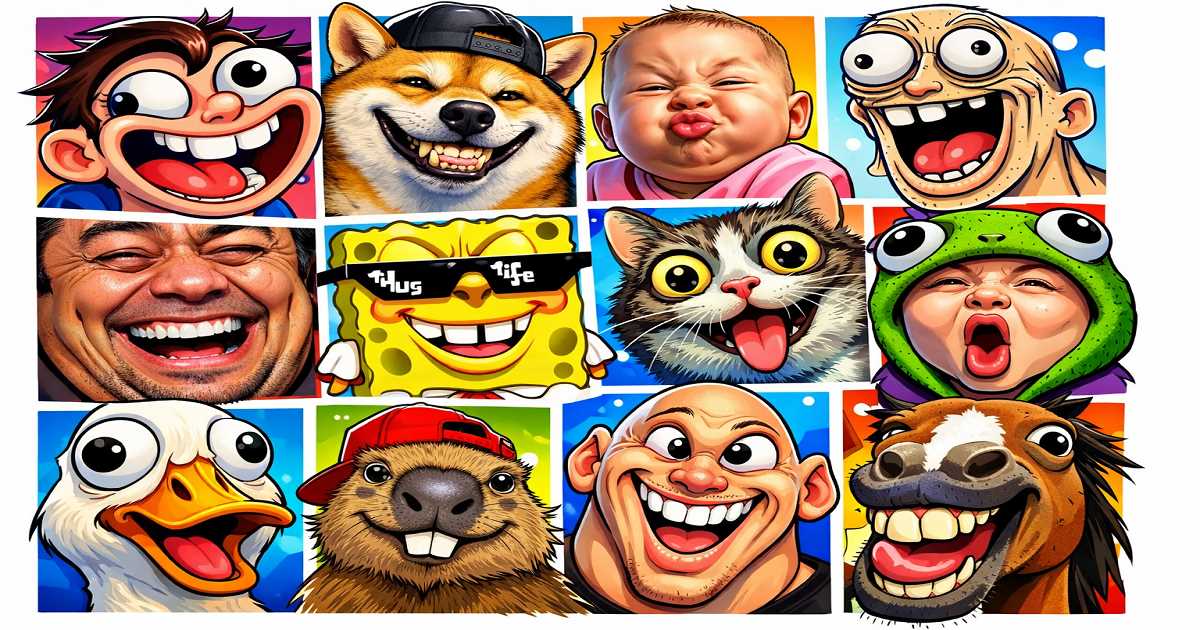
On today’s internet, your profile picture is often the first thing people notice about you. Instead of clean and serious photos, many people now choose silly and strange images. This is where the “Goofy Ahh” profile picture comes in. These pictures look funny on purpose, with bad angles, odd faces, or low quality. You might see them on Discord, TikTok, or Instagram every day. They show humor, confidence, and a love for online jokes. To understand this trend better, let’s explore what makes a Goofy Ahh PFP so popular before diving into real examples and ideas below.
Deconstructing the “Goofy Ahh” Aesthetic
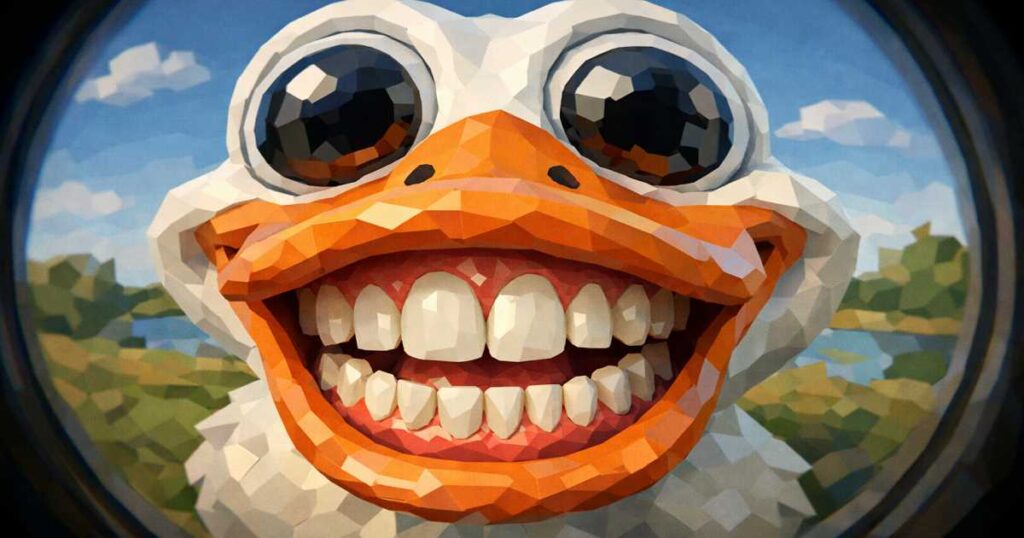
Before diving into specific ideas, it is crucial to understand what actually qualifies as “Goofy Ahh.” Not every funny picture fits this specific niche. The aesthetic relies heavily on the uncanny valley, intentional low quality, and surrealism. It is the visual equivalent of a sentence that trails off into nonsense. Unlike traditional memes that often rely on text setups, a goofy pfp relies almost entirely on visual shock value or confusion.
The most successful images in this category usually share a few common traits. First, they often feature extreme facial distortions. Think of the “nose cam” angle where the subject’s nose takes up 80% of the frame. Second, image quality—or the lack thereof—is a feature, not a bug. A JPEG that has been screenshotted and re-saved fifty times often carries more comedic weight than a 4K image. This degradation, often called “mold” or “crust,” adds a layer of history and irony to the image.
Furthermore, these images often pull from obscure pop culture or distort well-known characters. SpongeBob SquarePants is a frequent victim, often reshaped into grotesque or hyper-realistic forms. The goal is to elicit a reaction that is a mix of laughter and confusion. It is about disrupting the clean, curated aesthetic of modern social media with something undeniably raw and stupid.
The Tier List of Goofy Ahh PFPs
To help you navigate the endless sea of internet garbage, we have categorized the best types of profile pictures into a logical hierarchy. Choosing from these categories ensures you hit the right note of humor for your specific platform.
1. The Distorted Selfie
The distorted selfie is the bread and butter of the goofy ahh genre. This isn’t just a bad angle; it is an engineered disaster. To achieve this look, users often utilize filters that expand the forehead, shrink the chin, or widen the eyes to alien proportions. The humor comes from the confidence of the subject contrasting with their warped appearance. It suggests, “I look ridiculous, and I do not care.”
2. The “Uncanny” Animal
Animals are funny, but animals that look slightly too human are hilarious. This category includes dogs with strange smiles, cats standing on two legs with menacing auras, or hamsters staring directly into the camera lens with a thousand-yard stare. These images work well because they subvert our expectation of cute animal photos. Instead of “aww,” the reaction is usually “what is wrong with that creature?”
3. Cursed Cartoon Edits
Nostalgia plays a massive role in internet humor. Taking beloved characters from childhood shows—like SpongeBob, Minions, or Scooby-Doo—and warping them creates a bridge between familiarity and absurdity. A popular trend involves hyper-realistic renderings of cartoon characters, making them look gritty, tired, or frighteningly detailed. These make for excellent Discord PFPs as they are recognizable even at small sizes.
4. The “Low Poly” 3D Model
Bad graphics are inherently funny. Characters from early 2000s video games or poorly rendered 3D stock models have seen a massive resurgence. The sharp edges, flat textures, and blank expressions of low-poly characters fit perfectly into the “goofy ahh” vibe. It signals a specific type of digital literacy, acknowledging the janky history of computer graphics.
Best Goofy Ahh Pfp Ideas for Discord
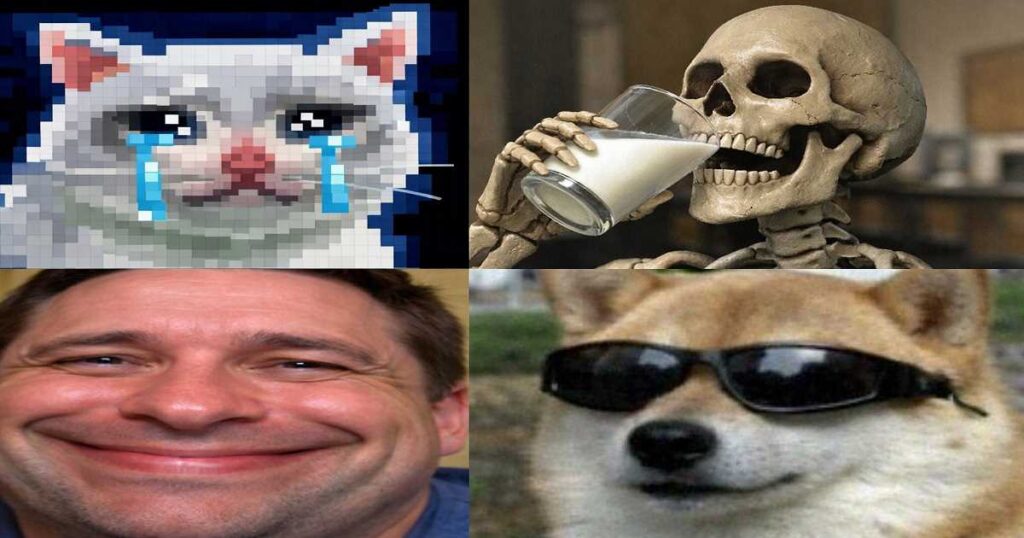
Discord is perhaps the natural habitat of the goofy ahh pfp. The culture on Discord servers, especially those focused on gaming or memes, rewards the most absurd imagery. Here, your profile picture is often a conversation starter or a running joke.
One of the strongest strategies for Discord is the “matching pfp.” This is where you and a friend (or a whole squad) choose images that interact with each other. For example, one user might have a picture of a character winding up a punch, while the user below them in the voice chat list has a picture of a character getting hit. This spatial awareness adds a meta-layer to the humor.
Another top tier choice for Discord is the “reaction” face. Since Discord is a chat platform, having a PFP that looks like it is reacting to the message above it is gold. Images of characters looking skeptical, disgusted, or overly excited can enhance your text interactions without you typing a word. According to Wikipedia’s definition of Internet Memes, the propagation of these images relies heavily on mimicry and variation, making Discord the perfect petri dish for these trends to evolve.
Top Discord Recommendations:
- The “Rock” Eyebrow Raise: A low-res edit of Dwayne Johnson raising his eyebrow.
- Megamind Peeking: The “No Bitches?” meme format, cropped to just the face.
- Crying Hamster: The classic sad hamster overlay, perfect for when you lose a ranked match.
- Wide Putin (or similar): Any character stretched horizontally to look incredibly wide.
Top Picks for TikTok and Instagram
While Discord allows for pure chaos, TikTok and Instagram often require a slightly different approach. On these platforms, your profile picture is often seen by a wider audience, including people who might not be “terminally online.” However, the goofy aesthetic is now mainstream enough that it signals you are part of the in-crowd.
On TikTok, the “cult” PFP is a massive phenomenon. This occurs when a large creator asks their followers to all change their PFP to the same specific, usually goofy, image. This creates a swarm effect in comment sections, confusing bystanders and building community. If you see thousands of users with a picture of a Lego Star Wars character or a specific hamster, you are witnessing a cult PFP trend.
For Instagram, which is traditionally more aesthetic-focused, a goofy PFP acts as a form of counter-signaling. It shows you are confident enough not to need a filtered, golden-hour selfie. The “blur” aesthetic is popular here—photos taken while shaking the camera violently, resulting in a smear of colors and a vaguely terrified expression. It feels energetic and chaotic.
How to Make Your Own Goofy Ahh Pfp
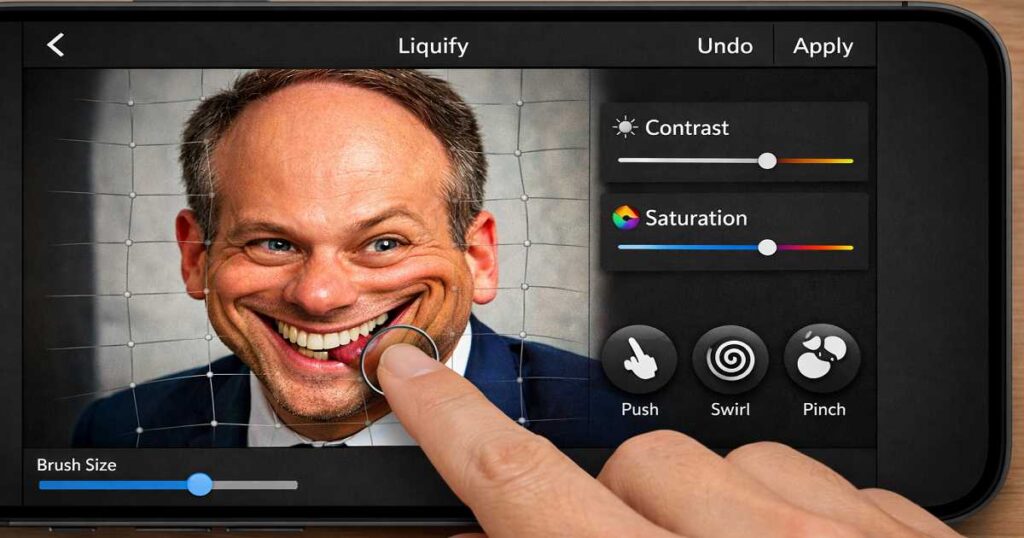
Why simply download an image when you can create a unique monstrosity? Making your own goofy PFP is easier than you think and ensures no one else has your exact look. You don’t need expensive software like Photoshop; most of this can be done on a smartphone.
Step 1: The Source Material
Start with a normal photo. It could be a selfie, a picture of your pet, or a stock photo. The more mundane and serious the original photo is, the funnier the result will be. Serious stock photos of businessmen shaking hands or people eating salad make for excellent canvases.
Step 2: The Liquify Tool
This is your magic wand. Almost every photo editing app (Picsart, Facetune, or even Instagram’s built-in tools) has a warp or liquify feature. Use it to expand eyes, shrink noses, and twist mouths. The key is asymmetry. If you make one eye huge, make the other one tiny. Drag the chin down to the floor.
Step 3: The “Deep Fry”
To achieve that authentic “goofy ahh” texture, you need to degrade the image quality. Crank up the saturation, contrast, and sharpness to the maximum. Then, save the image, open it again, and repeat the process. This creates noise and artifacts that make the image look like it has been circulating the internet for a decade.
Step 4: The Background
Don’t ignore the background. Replace a normal room with something nonsensical, like the Windows XP bliss wallpaper, a Minecraft landscape, or an explosion. The disconnect between the subject and the environment heightens the surrealism.
The Psychology Behind the Laughter
Why do we find these low-quality, distorted images so funny? It is rooted in the concept of surrealism and the subversion of expectations. In art history, Surreal Humour is defined by a violation of causal reasoning, producing events and behaviors that are obviously illogical. The “Goofy Ahh” aesthetic is the modern digital evolution of this.
When you scroll through a feed of perfectly curated, high-definition influencers, your brain enters a pattern of predictability. A distorted, pixelated image breaks that pattern. It acts as a visual “glitch” in the matrix of social media. Furthermore, there is a communal aspect to it. Recognizing a specific style of low-res meme signifies that you belong to a specific internet subculture. It is an inside joke shared by millions.
There is also an element of “ironic detachment.” By using a silly PFP, users protect themselves from judgment. If you post a serious selfie and people don’t like it, it hurts. If you post a picture of a warped Shrek and people think it’s stupid, well, that was the point. It is a shield of humor that allows for safe expression online.
Where to Find the Rarest Goofy Pictures
If you prefer to hunt for gems rather than create them, you need to know where to look. Google Images is often too sanitized to find the truly “dank” images. You need to dig deeper into the internet’s archives.
Surprisingly, Pinterest is a goldmine for specific “cores” and “aesthetics.” Searching terms like “cursed images,” “low quality memes,” or “weirdcore” will lead you down a rabbit hole of perfectly curated boards. The algorithm is excellent at suggesting similar vibes once you click on one goofy image.
Twitter/X Archives
Many “No Context” accounts on X are dedicated to posting bizarre screenshots and images without explanation. Accounts like “No Context Humans” or specific “Out of Context” fandom accounts are repositories for potential PFPs.
Reddit Communities
Subreddits are the breeding ground for this content. r/cursedimages, r/blurrypictures, and r/ deepfriedmemes are essential destinations. Sorting by “Top of All Time” in these communities will provide you with historical artifacts of the goofy ahh era.
Conclusion
Choosing a goofy ahh pfp is more than just a random selection; it is a declaration of your digital identity. Whether you opt for a distorted selfie, a low-poly character, or a deep-fried animal, the goal is to bring a spark of joy and absurdity to the timeline. In a world that often takes itself too seriously, being the person with the funny profile picture is a public service.
Remember, the internet moves fast. What is “goofy ahh” today might be “cringe” tomorrow, but the spirit of absurdity is timeless. Don’t be afraid to experiment, change your PFP often, and embrace the cringe. Now, go forth and find the crustiest, weirdest, most hilarious image you can find, and let the internet laugh with you.
Explore More
Goofy Ahh Face: Funniest Meme Images on the Internet
Goofy Ahh Emoji: Funniest Emojis You Can Copy & Paste
Frequently Asked Questions (FAQs)
What does “Goofy Ahh” actually mean?
The term “Goofy Ahh” originally comes from a viral sound effect of a cartoonish slip or fall, often described as a “goofy ass” sound. In internet slang, “ahh” replaces “ass.” It has evolved to describe an aesthetic that is silly, absurd, low-quality, or intentionally stupid.
Where can I find good goofy ahh profile pictures?
The best places to find these images are Pinterest boards searching for “cursed images,” specific subreddits like r/cursedimages or r/funny, and “No Context” accounts on Twitter/X. You can also generate your own using face-warping apps.
How do I make my PFP look low quality intentionally?
To achieve the “deep fried” or low-quality look, increase the contrast, saturation, and sharpness of your image in an editor. Saving the file as a low-quality JPEG and re-saving it multiple times can also introduce the desired digital artifacts.
Are goofy profile pictures unprofessional?
Yes, generally speaking, they are unprofessional. They are perfect for Discord, TikTok, Twitch, personal Twitter accounts, and gaming profiles. You should avoid using them on LinkedIn or professional communication platforms like Slack unless your company culture is extremely casual.
What is the most popular goofy ahh PFP right now?
Trends change quickly, but currently, “Quandale Dingle” edits, distorted faces of celebrities (like The Rock), and “staring animals” (hamsters or dogs close to the camera) remain consistently popular in the meme community.
Can I use a meme as my profile picture legally?
Generally, using a meme as a personal profile picture falls under “fair use” or is simply tolerated because it is non-commercial. However, you should avoid using copyrighted artwork from independent artists without permission. Standard memes are usually fair game for personal use.
Why are low-resolution images considered funny?
Low-resolution images are funny because they subvert the expectation of high-quality content. The “crustiness” implies the image has been shared thousands of times, adding a layer of history and irony. It looks chaotic and raw compared to polished influencer photos.
What is a “matching PFP” in this context?
A matching goofy PFP is when two or more people coordinate their images to tell a joke. For example, one person’s PFP might be a character pointing down, and the friend’s PFP is a character looking up in fear. It creates a visual interaction in chat rooms.
How often should I change my goofy PFP?
There are no hard rules, but meme culture moves fast. If your PFP is based on a specific viral trend (like a specific movie meme), you might want to change it once the trend dies down. However, many users keep one “signature” goofy image for years.
Can AI generate goofy ahh profile pictures?
Yes, AI image generators are excellent for this. You can prompt them with terms like “distorted,” “fish-eye lens,” “weird creature,” or “unflattering angle” to create unique, never-before-seen goofy images that are free from copyright concerns.