If you scroll through TikTok, Discord, or Instagram, you have probably seen people using strange emojis and calling things “goofy ahh.” This style is all about silly, weird, and over the top humor that makes no sense but still feels funny. It is loud, awkward, and sometimes confusing on purpose. People use emojis to show this feeling instead of long messages or explanations. Knowing which emojis to use makes a big difference. This guide will help you understand these emojis and how people use them, so let’s start by learning what makes an emoji truly “goofy ahh.”
What Defines a “Goofy Ahh” Emoji?
Not every emoji qualifies as “goofy ahh.” A standard smiley face is too sincere. A thumbs up is too passive-aggressive (or too dad-like). To truly fit this genre, an emoji must possess a certain level of irony, surrealism, or intensity. It usually pairs well with specific sound effects, like the vine boom, the cartoon slipping noise, or a distorted bass boost.
The aesthetic relies heavily on “shitposting” culture. This is where content is shared not for its quality, but for its sheer randomness or ability to confuse. In this context, emojis are often used in ways the original designers never intended. A skull no longer means death; a stone statue is no longer just a landmark.
Understanding this shift in communication is vital for modern digital literacy. It is a transition from literal communication to a complex, layered form of emotional expression that prioritizes “vibes” over dictionary definitions.
The “Big Three” of Goofy Ahh Culture
While there are hundreds of emojis on your keyboard, three specific icons stand as the pillars of the goofy ahh community. If you are looking to start your collection, these are the absolute essentials.
1. The Skull (💀)
In standard usage, this represents mortality. In the goofy ahh lexicon, it replaces the “laughing with tears” emoji (😂), which is now considered outdated by Gen Z standards. When you see a skull, it translates to “I’m dead” (from laughing so hard). The more skulls you add, the funnier the content was. It is the gold standard of reaction images.
2. The Moyai (🗿)
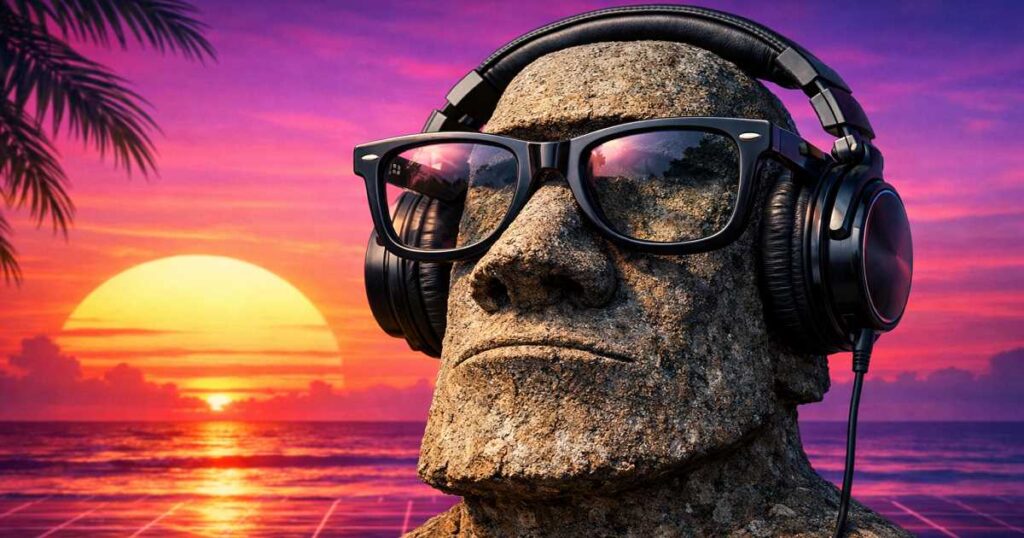
The Moyai, based on the famous Moai statues of Easter Island, is a powerhouse of meme culture. It represents a “stoic” face, a “bruh moment,” or simply a deadpan reaction to something incredibly stupid. It is often associated with the “vine boom” sound effect. According to Wikipedia, these monolithic human figures were carved by the Rapa Nui people, but on the internet, they have taken on a life of their own as the ultimate symbol of judgment.
3. The Nerd Face (🤓)
Used to mock someone who is being pedantic, overly technical, or ruining a joke with facts. It is the visual equivalent of saying “Um, actually…” in a nasally voice. However, in the goofy ahh context, it is often used self-deprecatingly or to ironically point out the absurdity of an argument.
The Ultimate Goofy Ahh Emoji Copy & Paste List
Ready to upgrade your comment game? Below are categorized lists of emojis and combinations that you can copy directly to your clipboard. These are curated for maximum comedic impact.
The “Cursed” Emotions
These emojis convey feelings that don’t quite exist in the real world but happen constantly online. They are perfect for reacting to “cursed” images or awkward situations.
- The Melting Face: 🫠 (Everything is fine, but I am suffering)
- The Woozy Face: 🥴 (Drunk, confused, or just hit with a frying pan)
- The Goblin: 👺 (Pure chaos energy)
- The Clown: 🤡 (You played yourself)
- The Eye-Mouth-Eye: 👁️👄👁️ (Staring in disbelief)
- The Nose Exhale: 😤 (Triumph or frustration)
The “Lightskin Stare” and Rizz Pack
Derived from TikTok trends involving intense staring and “rizz” (charisma), these emojis are used to flirt ironically or create uncomfortable tension.
- The Smirk: 😏 (The classic)
- The Biting Lip: 🫦 (Intense desire, usually ironic)
- The Moan: 😩 (Overwhelmed)
- The Side Eye: 😒 (Bombastic side eye)
- The Suspicious: 🤨 (The Rock eyebrow raise)
Complex Combinations and Storytelling
Sometimes, a single emoji isn’t enough. You need a combo to paint a picture. Here are some legendary sequences found in the wild.
| Combo | Name | Usage Context |
|---|---|---|
| 💀⚰️🥀 | The Funeral | When someone gets roasted so hard there is no coming back. |
| 🧢⛔🧐 | The Cap Detector | Calling someone out for lying (“cap”). |
| 🚽🪠💩 | The Skibidi | referencing the surreal “Skibidi Toilet” meme culture. |
| 👉👈🥺 | The Simp | Acting shy or asking for a favor in a “pick me” way. |
| 🤺🥕🐡 | The Random | Posting nonsense to confuse the algorithm or the reader. |
Kaomojis: The Ancestors of Goofy Ahh
Before we had the high-definition yellow faces of today, we had Kaomojis. These text-based emoticons originating from Japan are still widely used in goofy ahh memes to convey emotions that standard Unicode sets can’t capture.
Using Kaomojis adds a layer of “vintage internet” sophistication to your posts. They are particularly popular in gaming circles and Discord servers.
- The Lenny Face: ( ͡° ͜ʖ ͡°)
- The Disapproval: ಠ_ಠ
- The Shrug: ¯_(ツ)_/¯
- The Table Flip: (╯°□°)╯︵ ┻━┻
- The Cursed Stare: ( ✖ _ ✖ )
How to Optimize Your Emoji Usage for Search and Engagement
Believe it or not, using these emojis can actually impact how your content performs. Algorithms on platforms like TikTok and YouTube Short prioritize high engagement. Comments that use “goofy ahh” emojis often trigger replies, likes, and debates, signaling to the algorithm that the content is engaging.
When you use a string of 💀💀💀💀, it acts as a visual break in a wall of text. It catches the eye. Furthermore, “spamming” emojis (repeating them 5-10 times) is a common dialect in this niche. However, you must avoid crossing the line into actual spam, which platforms might filter out.
Google has also adapted to indexing emojis. If you search for a single emoji, Google will often return the encyclopedic meaning. This integration shows how visual language is becoming a core part of search semantics. You can read more about how technology interprets these symbols via resources like Google’s official blog, which discusses the evolution of search capabilities.
The Psychology of “Ugly” Emojis
Why are we drawn to the weirdest, ugliest emojis? It boils down to a concept called “post-irony.” In the early days of the internet, we used smileys sincerely. Then, we used them sarcastically. Now, we are in a phase where the meaning is completely detached from the image.
The “Goofy Ahh” trend celebrates the grotesque and the silly. The 🥶 (freezing face) isn’t used to say “I’m cold.” It’s used to signify “sheesh” or someone with “ice in their veins” (clutch performance). The 👺 (Japanese Goblin) is used simply because it looks funny and red.
This detachment allows for a form of humor that is inclusive because it is nonsensical. You don’t need to understand a complex language to understand that a distorted face equals funny. It creates a global “in-joke” that anyone with a smartphone can participate in.
Top Tips for Using Goofy Ahh Emojis
To ensure you are laughing with the internet and not being laughed at, follow these unwritten rules of the road:
- Timing is Everything: Don’t drop a “💀” when someone is sharing actual bad news. The irony doesn’t translate to tragedy.
- Don’t Mix Aesthetics: If you are doing “goofy ahh,” stick to the chaotic emojis. Don’t mix them with sincere heart emojis unless you are being double-ironic.
- More is More: Unlike professional writing where concise is better, in this genre, repetition is key. One “🗿” is a statement; five “🗿🗿🗿🗿🗿” is a movement.
- Embrace the Random: Sometimes the funniest emoji is the one that makes zero sense in context. A crab 🦀 in the middle of an argument? Perfect.
Frequently Asked Questions (FAQs)
What does “Goofy Ahh” actually mean?
The term is AAVE slang for “goofy ass,” meaning something that is silly, ridiculous, or weird. In internet culture, it refers to a genre of surreal memes, sound effects, and emojis that are intentionally chaotic or cringe-inducing.
What does the skull emoji 💀 mean in slang?
In modern internet slang, the skull emoji means “I’m dead” or “dying of laughter.” It is the Gen Z equivalent of “LOL” or the crying-laughing emoji (😂), which is now often viewed as outdated.
What is the “Moyai” emoji 🗿 used for?
The Moyai (Moai) emoji represents a deadpan expression, stoicism, or a “bruh moment.” It is often used when someone says something stupid, and the only appropriate reaction is a stone-faced stare.
How do I make the “Goofy Ahh” sounds with emojis?
You cannot make sounds with emojis, but you can imply them. For example, the 💥 (collision) is often used to represent the “vine boom” sound, and the 🔔 (bell) represents the Taco Bell bong sound often heard in these memes.
Is using the nerd emoji 🤓 offensive?
Generally, no. In meme culture, it is used ironically to mock pedantic behavior or self-deprecatingly. However, context always matters, so be careful using it in serious discussions.
Why do people use the pregnant man emoji 🫃 in memes?
The pregnant man emoji is often used in “goofy ahh” memes purely for its shock value and absurdity. It is frequently used to imply someone is “full” of food or just to confuse the reader.
What is the “lightskin stare” emoji combo?
This combo usually involves the face with peeking eye (🫣), the smirk (😏), or the biting lip (🫦). It references a TikTok trend mocking the exaggerated seductive looks used by some creators.
Are Kaomojis considered “Goofy Ahh”?
Yes, specific Kaomojis like the Lenny Face ( ͡° ͜ʖ ͡°) or distorted text faces fit the aesthetic perfectly, as they harken back to older, chaotic internet humor.
Can I use these emojis on all platforms?
Yes, most standard emojis are supported across iOS, Android, Windows, and Mac. However, the rendering (how they look) might differ slightly between devices (e.g., a Samsung skull looks different from an Apple skull).
What is the “Quandale Dingle” meme connection?
Quandale Dingle is a fictional character often associated with “goofy ahh” sounds and memes. While there isn’t a specific emoji for him, users often use the 👃 (nose) or 👽 (alien) to reference the distorted images associated with the meme.
Conclusion
The world of “goofy ahh” emojis is a testament to the creativity and absurdity of internet culture. It transforms standard Unicode characters into a rich, hilarious lexicon of irony and chaos. Whether you are dropping a single Moyai 🗿 to judge a bad take or spamming skulls 💀💀💀 in a group chat, you are participating in a global language of humor.
Remember, the key to mastering this aesthetic is not to take it too seriously. Experiment with combinations, embrace the cringe, and when in doubt, just add more skulls. Now, go forth and copy-paste your way to comedy gold.
Explore More
Goofy Ahh Pfp Ideas That Will Instantly Make People Laugh